-
Organizing AI Instructions with Headers
Discover how using headers can transform your AI instructions into well-structured, easy-to-follow guidelines. This article explores the benefits of header organization, provides best practices for creating effective headers, and offers real-world examples in research and app development contexts. Learn to craft instructions that enhance AI comprehension and execution of complex tasks.
-

Using Clear and Concise Language in AI Instructions
Clear and concise language is crucial when providing instructions to AI models. This article explores why clarity matters in AI communication, offers tips for writing effective instructions, and provides real-world examples across various domains. Learn how to enhance your AI interactions by using specific, unambiguous language, leading to more accurate outputs and efficient workflows.
-
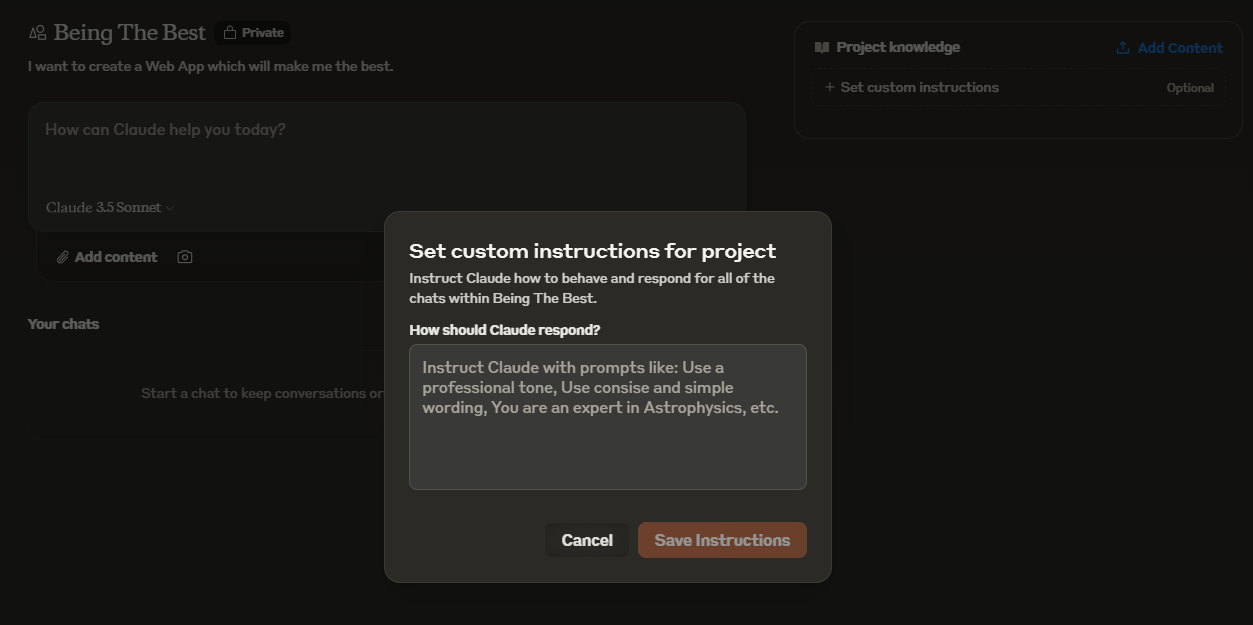
Custom Instructions for Claude Projects: A Comprehensive Guide
What Are Custom Instructions? Custom instructions are specific guidelines for AI language models like Claude to tailor their behaviour, output, and capabilities for particular tasks or projects. These instructions serve as a way to “program” the AI, ensuring it responds in a manner that aligns with the user’s goals and project requirements. Best Practices for…
-
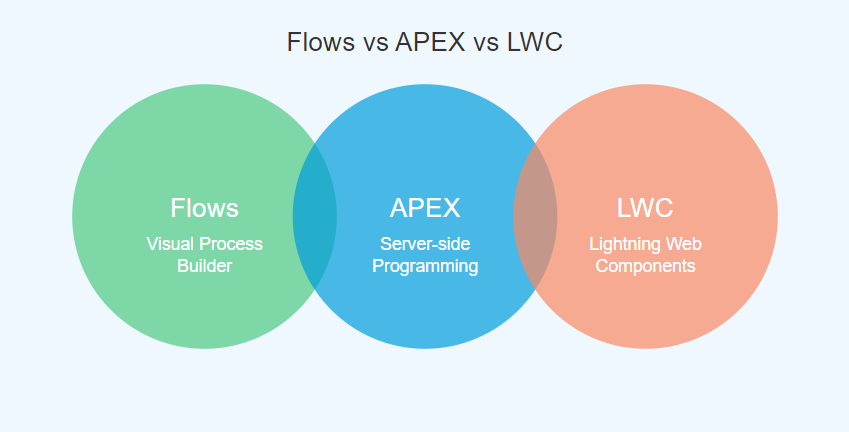
Flows Vs APEX or Lightning Web Components (LWC)
Lightning Web Components (LWC) and Flows are all powerful tools in the Salesforce ecosystem, each with its strengths and use cases. Let’s compare them to understand when you might choose one over the others: Advantages of using Apex: Advantages of using Lightning Web Components (LWC): Advantages of using Flows: When to choose Apex or LWC…